

How to Plan a Retreat in Bali | Venue, Budget, Season Guide
Planning a retreat in Bali can be one of the most exciting ways to bring people together, but it is also where beautiful ideas can quickly turn into messy logistics if the foundation is not right.
The best Bali retreats do not come together because the destination sells itself. They work because the host has made clear decisions about the venue, the timing, the budget, and the guest experience from the start.
If you are wondering how to plan a retreat in Bali, this checklist will help you focus on the decisions that matter most before you start selling spots or confirming dates.
1. Start with the retreat outcome, not just the destination
Before you compare villas, hotels, or schedules, define what the retreat is meant to feel like for your guests.
Are you hosting a wellness retreat centered on rest and nervous-system reset? A yoga retreat with daily movement and cultural experiences? A leadership retreat with strategy sessions and private downtime? A couples, creative, or women’s retreat with a more emotional, community-led arc?
That answer shapes almost everything else:
- the right part of Bali
- the ideal venue layout
- how many nights guests should stay
- how much structure the itinerary needs
- what kind of budget will feel realistic
Many retreat plans get harder than they need to be because the concept stays too vague for too long. The clearer the transformation or feeling you want guests to leave with, the easier it becomes to choose the right operational setup.

2. Choose a Bali location that matches the retreat style
Bali is not one-size-fits-all. The right area depends on the kind of experience you want to host.
Canggu works well for hosts who want a balance of wellness, design, dining, beach access, and convenience. It suits retreats that want both calm and energy nearby, especially when the venue is slightly removed from the busiest traffic pockets.
Ubud is often appealing for more spiritual, nature-based, or introspective retreats, especially if the program leans into rice fields, jungle settings, ceremonies, or a slower inland atmosphere.
Uluwatu and other southern areas can work well for surf, ocean-view, or elevated-luxury positioning, but transport and guest movement can need more planning depending on the itinerary.
When choosing a location, ask:
- Is it easy for guests to reach from the airport?
- Does the atmosphere support the retreat theme?
- Are restaurants, wellness providers, beaches, or excursion points close enough when needed?
- Will the area feel restorative, or overstimulating, for your group?
The best location is not just the prettiest one. It is the one that makes the guest journey feel coherent from arrival to departure.
3. Pick the venue based on flow, not only aesthetics
One of the biggest mistakes retreat hosts make is choosing a venue because it looks beautiful in photos without checking whether it functions well for a group experience.
Your venue needs to support the actual rhythm of the retreat.
That means looking at:
- room mix and privacy level
- whether guests can comfortably gather without feeling cramped
- spaces for yoga, workshops, meals, downtime, and one-on-one moments
- whether the venue feels exclusive or shared
- noise levels
- transport logistics
- on-site staff support
Ask yourself whether the venue allows the retreat to breathe. Guests usually remember how a retreat felt more than the exact tile, linen, or furniture details.
For example, a retreat venue in Bali may look perfect online, but if the rooms are inconsistent, the common areas are too small, or the schedule requires constant transport to basic activities, the guest experience can start to feel fragmented.
The strongest venues make the retreat feel easy. That ease becomes part of the luxury.
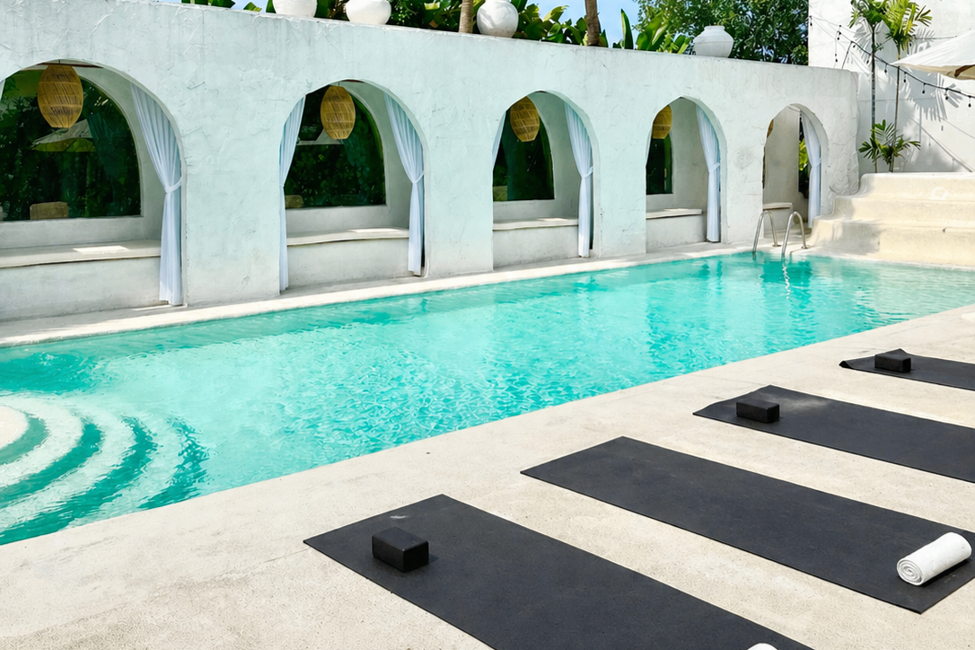
4. Choose the right season before you lock the sales plan
One of the most common retreat-planning questions is when to host a retreat in Bali.
In general, the dry season from around April through October is the easiest operational window. Weather is usually more stable, which helps with outdoor movement classes, pool time, group meals, excursions, and photography.
For many retreat hosts, May, June, September, and October are especially attractive because they often offer strong weather without the same intensity of peak-season pricing and crowd levels seen in July and August.
The wetter season from around November through March can still work, but it requires more intentional planning. Hosts need stronger indoor alternatives, more flexibility in the itinerary, and a venue that still feels special when it rains.
When deciding on timing, consider:
- guest travel patterns and school holiday calendars
- flight pricing from your audience’s home markets
- whether your retreat relies on outdoor experiences
- your desired balance between energy, availability, and cost
If the retreat experience depends heavily on seamless outdoor flow, the shoulder-to-dry season is usually the safer choice.
5. Build the budget from the ground up, not from the selling price down
Retreat budgets often go wrong when hosts start with the price they hope to charge rather than the true cost structure.
Before you publish pricing, map the full retreat budget, including:
- accommodation
- venue buyout or room-block terms
- food and beverages
- airport transfers or local transport
- facilitators, teachers, or guest practitioners
- printed materials, welcome gifts, and room drops
- excursions or cultural experiences
- photography or content capture
- merchant fees and payment-plan costs
- contingency buffer for changes or last-minute adds
Then decide what margin you need, what minimum room count makes the retreat viable, and how the pricing will feel to the guest compared with the value being delivered.
This is where many hosts underestimate the importance of season, room configuration, and inclusions. A venue that looks slightly cheaper at first can become more expensive once transport, outside catering, off-site activities, or staffing gaps are added back in.
Good retreat pricing should feel clear and defensible. Guests do not need the full spreadsheet, but they do need to feel that the offer is thoughtful, complete, and professionally structured.

6. Design the guest experience before you design the marketing
Guests book retreats because of the promise, but they remember them because of the experience.
That means the guest journey needs to be planned as carefully as the retreat schedule itself.
Think through the full experience:
- What does the arrival feel like?
- How quickly do guests settle in?
- Is there enough white space in the schedule?
- Are meals, movement, rest, and connection balanced well?
- Does each day build naturally into the next?
- Is there a signature moment guests will talk about afterward?
In Bali, guest experience often improves when the retreat combines a few high-impact moments with enough breathing room for people to actually enjoy where they are. Overscheduling can make even a beautiful retreat feel tiring.
Small details matter too. Clear pre-arrival communication, smooth transfers, thoughtful rooming, accessible wellness options, and a venue team that understands retreat flow.
7. Make sure the inclusions support the promise
Your retreat inclusions should match the retreat identity.
If the retreat is positioned as restorative, guests will expect enough downtime, wellness experiences, nourishing meals, and a calm environment. If it is positioned as transformational or immersive, they will expect the schedule, facilitation, and group arc to justify that promise.
This is also where Bali can become a major advantage.
The island makes it easier to layer in meaningful experiences such as:
- yoga or Pilates
- spa rituals
- sound healing
- cultural ceremonies
- chef-led meals
- beach or rice-field excursions
- quiet luxury downtime
The key is not to include everything. It is to include the right things.
A more selective, intentional retreat usually feels more premium than one overloaded with activities that leave guests overstimulated.
8. Plan the operational checklist early
A retreat can look polished in marketing and still become stressful behind the scenes if the operational checklist is weak.
Before launch, confirm:
- room inventory and hold terms
- payment schedule
- cancellation terms
- dietary collection
- transfer coordination
- waiver or guest-form workflow
- itinerary draft
- staffing and facilitator responsibilities
- supplier lead times
- backup plans for weather-sensitive activities
This is where venue partnership matters. A strong retreat venue does not just provide rooms. It helps hosts reduce friction, spot blind spots early, and deliver a more seamless guest experience from inquiry through check-out.

9. Sell the retreat with clarity
Once the retreat structure is solid, the sales page and marketing become much easier to write.
Potential guests usually want answers to a simple set of questions:
- Who is this retreat for?
- What kind of transformation or experience should I expect?
- What is included?
- How much free time will I have?
- Is the venue private, peaceful, and worth the price?
- Why Bali, and why this specific setting?
The more clearly you answer those questions, the less resistance you create in the booking process.
This is also why hosts should avoid marketing a retreat before the venue, inclusions, and operational plan are properly aligned. If the offer is fuzzy, the copy will be fuzzy too.
10. Use a final pre-launch checklist before you open bookings
Before you announce the retreat, pause and run one final check:
- Is the venue truly the right fit for the group size and retreat concept?
- Is the timing aligned with weather, pricing, and guest availability?
- Is the budget sound?
- Are the inclusions clear?
- Is the guest journey strong from inquiry to departure?
- Does the sales page answer the real questions guests will ask?
If those answers are clear, the retreat is much more likely to sell with confidence and run smoothly once guests arrive.

Final Thoughts
Planning a retreat in Bali is not only about finding a beautiful place. It is about choosing the right environment, season, structure, and support so the retreat feels thoughtful at every stage.
When those pieces are handled well, Bali becomes more than a backdrop. It becomes part of the transformation guests remember. If you are planning a retreat in Bali and want a venue that balances calm design, wellness experiences, thoughtful service, and easy access to Canggu, you can explore hosting at Hotel Sages.